
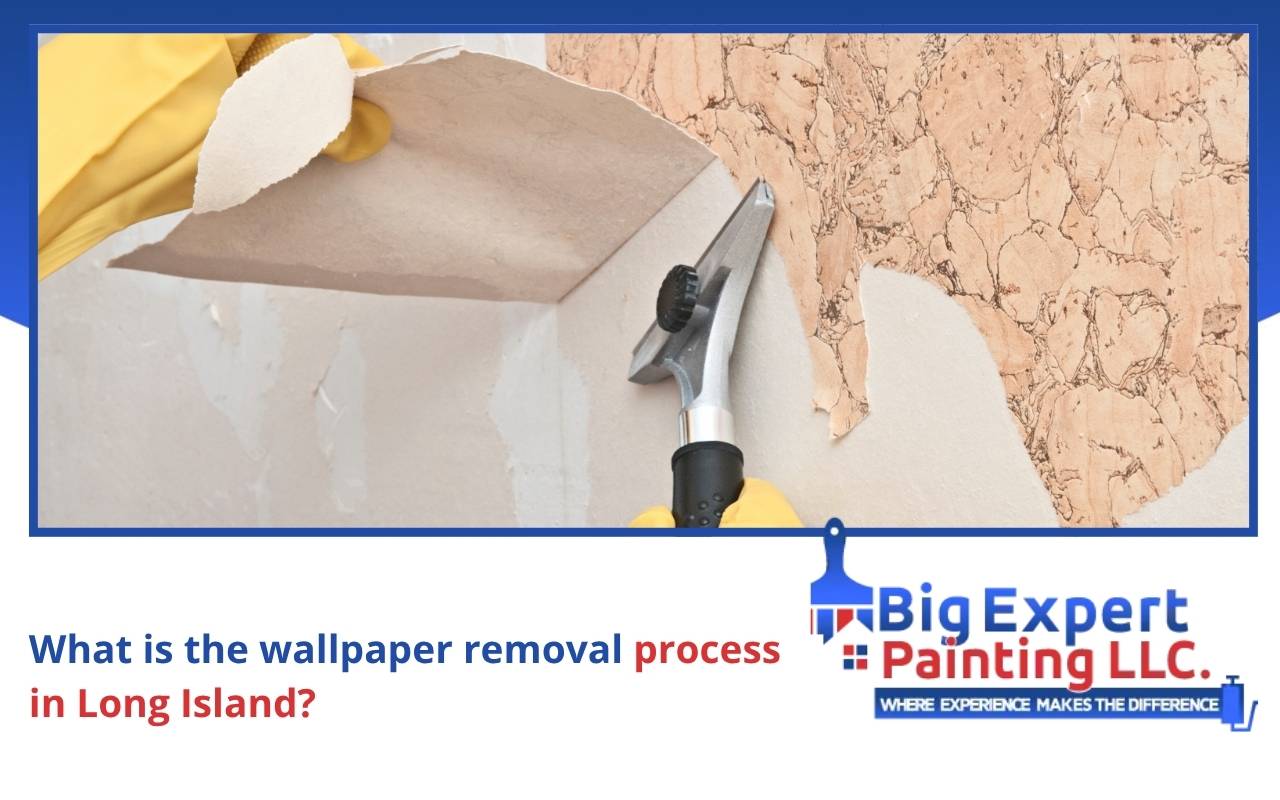
What is the wallpaper removal process in Long Island?
Planning a paint-ready space starts with removing wallcoverings the right way. Long Island homeowners often face stubborn seams, layers, and residue that slow projects down. This guide explains methods, timelines, and costs for Wallpaper Removal Long Island, including steam versus chemical options, skim coat prep, damage risks, and lead-safe practices—so your walls look smooth and your budget stays on track.
What is the wallpaper removal process in Long Island?
Wallpaper Removal Long Island typically involves testing paper type, choosing steam vs chemical removal, stripping adhesive, cleaning, and applying a skim coat before priming. Timelines run from a day for small rooms to several days with hidden layers; costs depend on wall condition, square footage, and lead-safe containment. Transparent quotes and Contact Big Expert Painting keep scope, timing, and pricing clear.
Types of Wallpaper Removal Methods
For Wallpaper Removal Long Island, two core approaches dominate. Steam loosens paste with heat and moisture; chemical gels or sprays dissolve adhesive. Both aim to protect drywall or plaster before repairs and finishing. The method you choose influences cleanup, drying time, and the level of skim coat needed for a paint-ready surface.
- Steam removal: Penetrates seams; faster on porous paper.
- Chemical removal: Effective on vinyl/backed papers; needs thorough rinsing.
- Hybrid approach: Score, then use targeted steam or solvent where needed.
Learn prep specifics for vinyl coverings here: How to Remove Vinyl Wallpaper.
Pros and Cons of Steam Removal
Steam can lift large sheets and reduce sanding before a skim coat. However, over-steaming risks softening plaster or the drywall facing. Managing heat, dwell time, and section size preserves the substrate and avoids unnecessary repairs.
- Pros: Fewer chemicals, good for porous papers, potential for larger peels.
- Cons: Moisture load, limited effect on vinyl, learning curve for timing.
Pros and Cons of Chemical Removal
Chemical removers can cut through stubborn or vinyl-backed papers and are accessible for DIYers. They require ventilation, protective gear, and meticulous rinsing to avoid primer adhesion issues before the skim coat stage.
For broader finishing needs after removal, explore Painting Services.
Importance of Proper Wall Preparation
Clean, filled, and uniformly smoothed walls lead to professional results. After stripping adhesive, address dents and nail holes, then apply a thin skim coat to level minor irregularities across the entire surface before primer.
- Wash with mild detergent; rinse to remove remover residue.
- Patch defects; sand flush once dry.
- Apply an all-over skim coat; sand and dust-off for primer.
Dealing with Wall Damage Risks
Reduce wall damage risks by scoring lightly, working in small sections, and using rounded putty knives. If drywall facing tears or plaster crumbles, stabilize first—then proceed. For localized failures, professional Drywall Repair Amityville, NY preserves surface integrity before repainting.
Ensuring Lead-Safe Practices
In pre-1978 homes, assume potential lead. Use EPA-recognized test kits, contain dust, and ventilate. If lead is present, follow RRP protocols or hire certified pros. Lead-safe setup adds time and line items but protects occupants and ensures compliance during Wallpaper Removal Long Island.
Addressing Decades-Old Wallpaper
Older homes may hide stacked layers, flocked textures, or robust pastes. Score gently, then apply steam or solvent to each layer in order. Patience here minimizes substrate damage and the amount of skim coat required later.
Managing Hidden Layers Effectively
Expect variability from wall to wall. Remove the top layer first, reassess, then proceed. Keep tools clean and avoid grinding old paste into the surface. Thorough adhesive removal ensures primer bonds after Wallpaper Removal Long Island.
Estimating the Costs Involved
Pricing reflects square footage, paper type, hidden layers, substrate condition, and whether lead-safe containment or extensive skim coat is required. Transparent estimates should itemize removal, cleanup, repairs, and finishing. Complex rooms and older substrates typically require more labor and budget.
Tips for Successful Wallpaper Removal
Match method to paper and substrate, test in a discreet area, control moisture with steam, and ventilate when using chemicals. Build drying time into your schedule before priming. When in doubt, request an on-site assessment for Wallpaper Removal Long Island and compare scopes and timelines.
Frequently Asked Questions
How long does a standard room take?
One small room can take a day; multiple layers, repairs, or lead-safe steps may extend to several days.
Will I always need a skim coat?
Not always. If the substrate is smooth and undamaged, spot patching may suffice. Many projects benefit from a light all-over skim for a premium finish.
Is steam or chemical better for vinyl?
Chemical removers usually perform better on vinyl or vinyl-backed papers, provided you rinse thoroughly afterward.
Can Wallpaper Removal Long Island be a DIY project?
Yes, with proper tools, ventilation, and patience. Complex rooms, lead concerns, or wall damage favor hiring a pro.
When should I call a professional?
If you see drywall facing tears, plaster failure, suspected lead, or multiple stubborn layers, schedule a quote via Contact Big Expert Painting.
How to prepare for professional wallpaper removal
Clear furniture from walls, cover floors, and note prior paint or paper history. Identify suspect lead conditions and share concerns during the estimate. Ensure access to water and power for steamers or rinsing, and plan for ventilation time before priming or painting.
References
Follow Us


Book Now!