
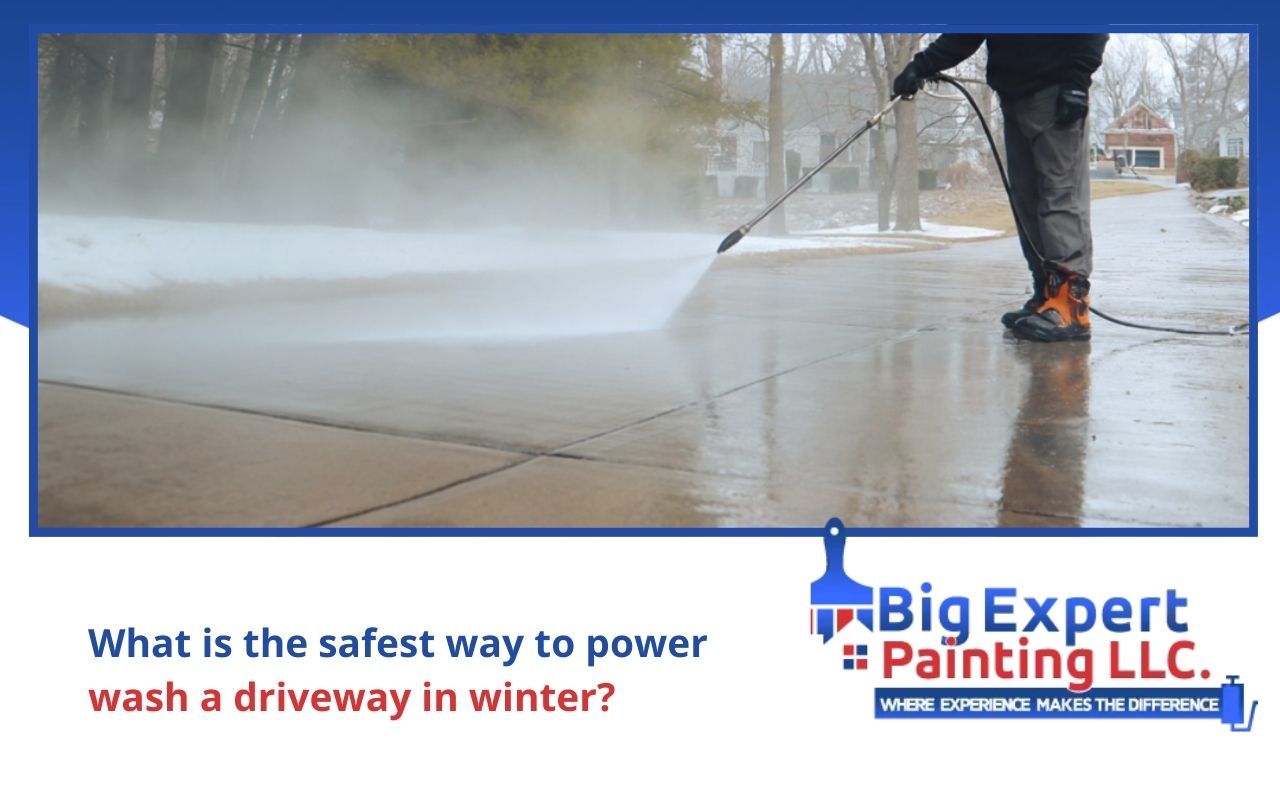
What is the safest way to power wash a driveway in winter?
Winter in Smithtown can be rough on concrete, especially when de-icers, freeze-thaw cycles, and hidden moisture combine. A smart cleaning routine helps prevent slips, stains, and early surface damage. This guide explains how to remove de-icing residue safely, manage concrete hairline cracks, and use a low-pressure rinse that protects your surface. Finish strong with post-wash sealing for durability and cleaner curb appeal.
What is the safest way to power wash a driveway in winter?
The safest way is to use a low-pressure rinse with a winter-safe cleaner, then let the surface fully dry and apply post-wash sealing on a mild day. This approach removes de-icing residue without etching concrete, helps reduce slip risk, and limits moisture absorption that worsens freeze-thaw damage.
Why winter driveway maintenance matters in Smithtown
Smithtown winters bring snow, ice, and frequent temperature swings that can stress concrete. When moisture gets into the surface and freezes, it expands and can weaken the driveway over time. Cleaning after storms helps reduce buildup and keeps traction more predictable for walkers and vehicles.
- Reduces slip hazards by clearing gritty residue and slick film.
- Helps protect curb appeal by preventing salt stains and patchy discoloration.
- Lowers repair risk by limiting freeze-thaw water penetration.
De-icing residue removal: what it does to concrete
Most de-icers are salt-based and effective at melting ice, but the leftover residue can be rough on concrete. Over time, it may contribute to surface wear, spalling, and staining—especially when repeatedly left to sit after storms. Prioritizing de-icing residue removal helps preserve the driveway’s integrity and appearance through the season.
- Surface corrosion can increase when salts linger.
- Staining and discoloration may become harder to lift later.
- Moisture retention can worsen freeze-thaw stress.
Low-pressure rinse: the winter-friendly method
A low-pressure rinse is a practical way to clean without stripping protection or chipping the surface. High pressure can create micro-damage on older concrete and may remove existing sealant. A gentler approach focuses on lifting and flushing debris rather than blasting the surface.
- Protects the surface by reducing etching and micro-chipping.
- Improves safety by removing slick residue without roughening concrete.
- Prepares for post-wash sealing by leaving a cleaner, more uniform surface.
Choosing winter-safe cleaners for concrete
Pick products labeled safe for concrete and suitable for cold conditions. Avoid harsh acids and aggressive abrasives that can etch or weaken the surface. pH-neutral options are typically better for winter cleaning because they help dissolve grime and salts without compromising the driveway.
If you want to compare approaches before you start, use this guide: Power Washer Tips.
How to: Driveway Power Washing Winter in Smithtown
- Choose the right day: aim for a dry window when temperatures are above 40°F and rising.
- Clear loose debris: sweep leaves, sand, and grit so rinsing is more effective.
- Pre-treat salty areas: apply a winter-safe concrete cleaner and let it dwell as directed.
- Use a low-pressure rinse: rinse in steady, overlapping passes to flush residue away.
- Let it dry completely: give the driveway time to dry (often 24 hours in mild conditions).
- Check concrete hairline cracks: fill small cracks with an appropriate filler to reduce water entry.
- Apply post-wash sealing: seal evenly on a mild day and allow proper cure time.
Post-wash sealing: when it helps most
Post-wash sealing creates a barrier that helps reduce water intrusion and limits how deeply salts can penetrate the surface. For winter success, timing matters: seal only when the driveway is fully dry and the temperature supports curing. Apply evenly, especially along joints and edges where water tends to seep in.
If you’d rather have a team handle the cleaning and seasonal protection, explore: Power Washing Services.
Frequently Asked Questions
How often should I clean my driveway during winter in Smithtown?
Clean after major snow or ice events when de-icers have been used heavily. Consistent de-icing residue removal is more protective than waiting until spring.
Is it safe to wash a driveway when it’s cold?
Yes, if conditions are mild and dry (generally above 40°F) and you use a low-pressure rinse. Avoid washing when water may refreeze quickly.
Should I seal before or after winter?
Post-wash sealing works best after cleaning on a mild day. If your sealant is failing, re-sealing before deep winter can help, but only when curing conditions are safe.
Do I need professional help or can I do it myself?
DIY can work if you use the right pressure and products, but professional washing reduces risk of surface damage and can improve results in tricky winter conditions. For benefits and outcomes, see: House Power Washing Benefits.
How much does it usually cost to power wash a driveway?
Pricing varies by size, condition, and service scope. For a realistic breakdown, check: Power Wash Driveway Cost.
Common winter mistakes to avoid
Most driveway damage escalates from small habits repeated all season. Prevent problems by avoiding overly harsh chemicals, skipping cleanup, or sealing under the wrong conditions.
- Leaving salts too long instead of completing de-icing residue removal.
- Using too much pressure and scarring concrete that’s already stressed.
- Ignoring concrete hairline cracks that can widen with freeze-thaw cycles.
When to contact a local Smithtown pro
If your surface shows widespread flaking, deep cracking, or stubborn salt staining, professional help can prevent costly repairs. A local team can choose the right process, protect surrounding landscaping, and time post-wash sealing for proper curing. To request an assessment, use the contact page: Contact.
References
Follow Us


Book Now!